
Investing in a leisure subdivision can be worth it, but not in the way most sales material in this industry presents it (with an appreciation number and a rental income figure with no source). Real ways to profit do exist, but they depend on concrete factors, not promises.
Why leisure subdivisions became an investment target
During the pandemic, demand for country houses and second homes away from big cities grew noticeably in Brazil, according to reports that quoted real estate specialists and a QuintoAndar survey pointing to remote work as a driver of much of that demand. That was a real phenomenon, but one documented through market reports from 2020 and 2021, not a permanent guarantee of high demand. It's worth understanding that history without treating it as a forecast.
The three ways to monetize a leisure lot
Appreciation and resale
A lot can be held with no construction and resold later, anticipating appreciation. That depends on the real factors behind appreciation (location, delivered infrastructure, paperwork status, supply and demand), covered in the article on what affects a lot's resale value, not a fixed percentage promised by a seller.
Building to rent short-term
Building a house and renting it out short-term (platforms like Airbnb and Booking) is a real way to generate income in leisure destinations, but the result varies a lot depending on location, the property's quality, management and seasonality. There's no standard market nightly rate or occupancy rate that applies to every lot, so be wary of any material that presents those numbers as a general rule.
Building to sell
Building a premium house to resell later is another real path, but the return depends on the construction's actual cost (which tends to rise over time with materials and labor) compared with the achievable sale price in the region, not a fixed percentage over the construction cost.
What actually drives appreciation
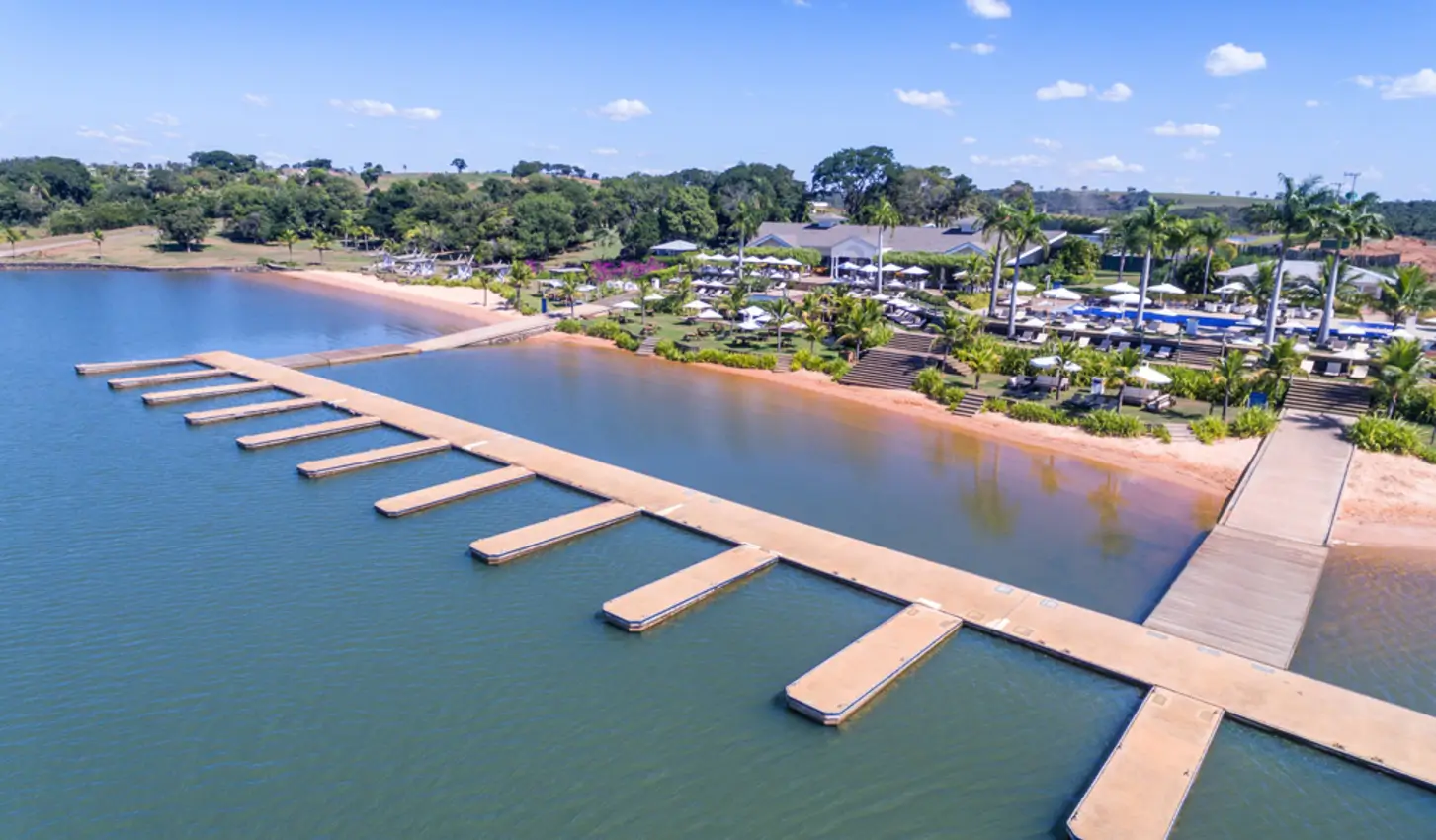
Location (proximity to water, access), infrastructure delivered by the developer, the subdivision's regular paperwork status, and the real balance of supply and demand in the region are the factors behind appreciation, as already covered. None of these factors guarantees a specific rate of return.
Risks and what to weigh before treating it as an investment
- Lower liquidity than a financial investment: selling a lot or a built house usually takes longer than cashing out a financial investment.
- Construction cost: if the strategy depends on building (to rent or to sell), the cost of construction needs to be part of the math, not just the lot's price.
- Managing a rental takes effort: listing, upkeep, cleaning and guest support are recurring work, not automatic passive income.
- Paperwork status: an irregular subdivision can jeopardize the entire investment, per the legalization checklist.
How to compare it with a financial investment, without making up a number
Instead of comparing against a fixed figure (like "savings earned X, the lot earned Y"), the more honest path is: check the real historical return of financial investments directly on the Central Bank's or Tesouro Direto's website, and compare it with the current market value of similar lots in the region (platforms like FipeZAP publish property price indices by city). Both numbers keep changing, so any fixed comparison printed in an article goes stale quickly.
Heads up: watch out for guaranteed-return promises
No honest sales material guarantees a fixed percentage of appreciation or rental income. If material promises that as a certainty, it's worth asking for the source and methodology behind the number, or simply being skeptical.
Quick comparison
| Strategy | How it works | Main risk |
|---|---|---|
| Appreciation and resale | Hold the lot and sell it later | Depends on real factors (location, infrastructure, paperwork), not a fixed percentage |
| Build to rent | A house for short-term rental | Variable income, requires active management |
| Build to sell | A premium house built for resale | Construction cost can outpace the expected gain |
How it works at Riviera de Santa Cristina XIII
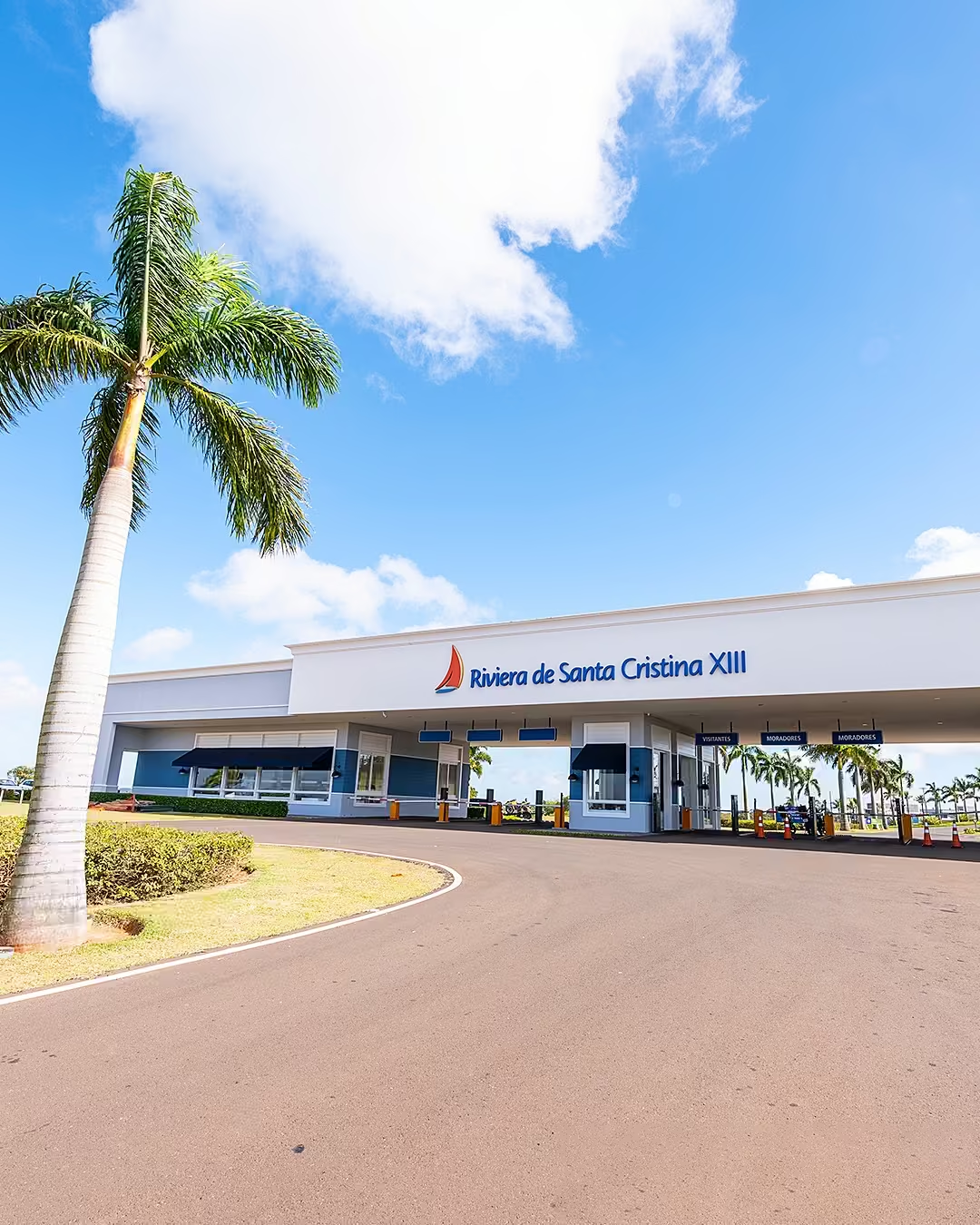
At Riviera de Santa Cristina XIII, the combination of a location on the Jurumirim Reservoir, delivered infrastructure, and regular paperwork (a legalized gated subdivision) covers the factors that actually drive appreciation, without promising a fixed rate of return. See the lot map or check out the clubs' full leisure structure.
Want to evaluate a lot's potential for your goal (living there, renting, or reselling)? Reach our team through the contact form.
Frequently asked questions
Is investing in a leisure subdivision worth it?
It can be, but it depends on concrete factors (location, infrastructure, paperwork, real demand in the region), not a fixed-return promise. The three real ways to profit are appreciation for resale, building to rent, and building to sell.
How much does a leisure lot appreciate per year?
There's no fixed, reliable percentage for that. Appreciation depends on factors specific to each region and lot; be wary of any number presented as a guarantee.
Can you live off short-term rental income from a house built on the lot?
It's a real income source, but a variable one that requires active management (listing, upkeep, guest support). There's no standard nightly rate or occupancy rate that applies to every property.
How do I compare investing in a lot with a financial investment?
Check the real historical return on the Central Bank's or Tesouro Direto's website, and compare it with the current market value of similar lots in the region (indices like FipeZAP help with that). Avoid comparisons based on fixed, outdated numbers.
How does Riviera de Santa Cristina XIII fit into this?
It brings together the factors that drive appreciation (a location on the reservoir, delivered infrastructure, a legalized gated subdivision), without promising a fixed rate of return.